Activated Carbon About
Activated Carbon
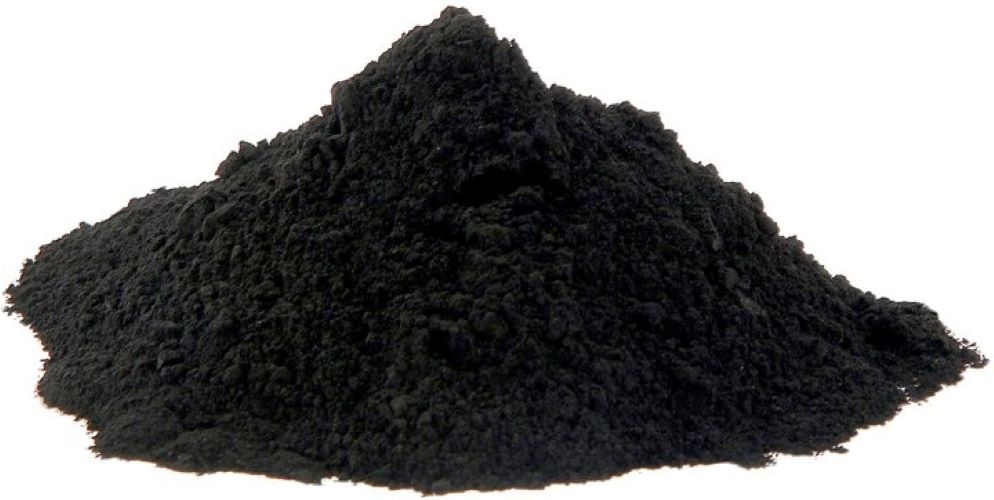
Activated Carbon is a premium-grade adsorbent material with a highly porous structure and exceptional surface area, designed for the efficient removal of impurities, odors, organic compounds, chlorine, and contaminants from air and water. Manufactured from high-quality raw materials, it delivers superior adsorption performance and is widely used in industrial, commercial, and domestic filtration applications.
Its excellent adsorption capacity, chemical stability, and long service life make it an ideal choice for purification, decolorization, and environmental treatment processes.
Features:
High adsorption capacity
Large surface area and porous structure
Effectively removes odor, color, chlorine, and organic impurities
Excellent chemical and thermal stability
Low dust content and durable performance
Suitable for air, water, and gas purification
Long service life and easy to replace
Applications:
- Water purification systems
- Drinking water treatment
- Industrial wastewater treatment
- Air purification and odor control
- Gas purification systems
- Chemical and pharmaceutical industries
- Food & beverage processing
- Gold recovery and solvent recovery
- Aquarium and filtration systems
Technical Specifications:
- Product: Activated Carbon
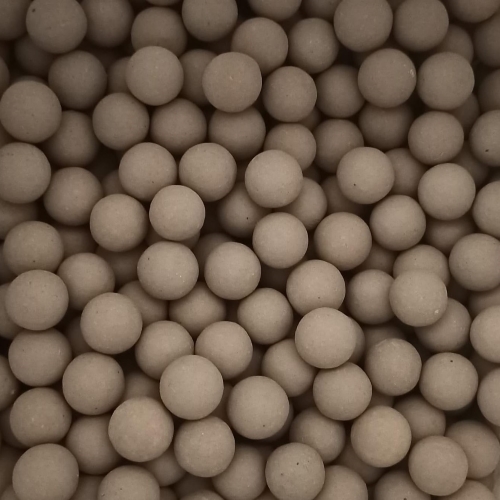
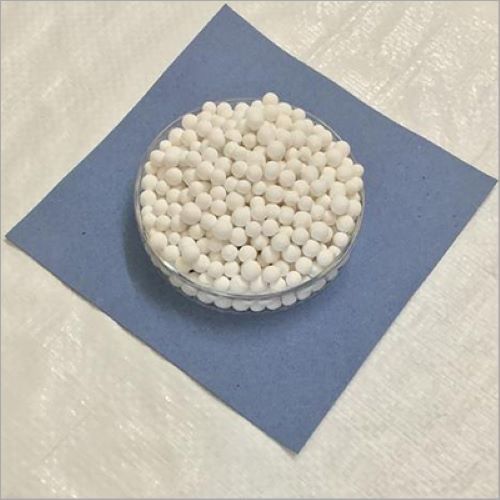
- Appearance: Black granular or pelletized particles
- Material: High-quality activated carbon
- Adsorption Capacity: High
- Chemical Stability: Excellent
- Application: Air, water, and gas purification
Exceptional Adsorption EfficiencyActivated Carbon's extensive surface area and highly microporous structure enable rapid and effective adsorption of contaminants, making it ideal for purification and filtration operations in water treatment, air purification, and various industrial processes. Both powdered and granular formats suit different process requirements, offering flexibility for manufacturers and suppliers.
Robust and Safe Handling GuidelinesWhile generally non-toxic and safe for industrial use, activated carbon must be stored in cool, dry, well-ventilated areas in sealed containers to preserve quality and avoid combustion risks. Standard safety and handling procedures should be adhered to, particularly because the fine powder and porous granules can ignite under certain conditions.
Diverse Applications and ComplianceThis industrial-grade product is suitable for adsorbent, purification, and decolorization purposes, with consistency assured by standards like ASTM D2866 and IS 877-1989. Its classification as an adsorbent and filtration material highlights its role in environmental and industrial remediation, making it a staple for manufacturers, suppliers, and traders globally.
FAQ's of Activated Carbon:
Q: How is activated carbon produced and what makes it highly adsorptive?
A: Activated carbon is manufactured through steam or chemical activation of carbon-rich materials such as coconut shell, coal, or wood. This process develops a porous structure and a high surface area (500-1500 m2/g), enabling it to adsorb a wide variety of impurities from liquids and gases effectively.
Q: What are the different forms and particle sizes available for activated carbon?
A: Activated carbon is available in powdered (PAC), granular (GAC), and extruded (EAC) types with particle sizes ranging from 100-200 mesh for powders and 4x8 or 8x16 mesh for granular varieties, ensuring compatibility with various industrial processes.
Q: When is activated carbon typically used and what are its common benefits?
A: Activated carbon is employed in applications such as water and air purification, filtration, odor removal, and decolorization. Its benefits include high removal efficiency of contaminants, versatility in use, non-toxicity, and long shelf life when stored correctly.
Q: Where should activated carbon be stored to maintain its effectiveness?
A: To preserve its adsorptive properties and prevent moisture absorption or ignition, activated carbon should be stored in tightly closed containers in cool, dry, and well-ventilated environments.
Q: What is the recommended process for handling and using activated carbon safely?
A: Activated carbon should be handled with care due to its dusting nature and potential fire hazard. Avoid exposure to flames, sparks, or strong oxidizers, and always adhere to recommended industrial safety practices such as wearing protective equipment during handling.
Q: How does activated carbon's pH and purity impact its application in sensitive environments?
A: With a pH range of 7-11 and a purity of 99%, activated carbon is suitable for sensitive processes, including those in water treatment, food, and pharmaceuticals, where neutral to alkaline conditions and high-quality adsorption are required.







 Send Inquiry
 Send Inquiry
 Send SMS
 English
 Spanish
 French
 German
 Italian
 Chinese (Simplified)
 Japanese
 Korean
 Arabic
 Portuguese
